1. Walk-around and plan
A technician looks over the vehicle and explains the plan, including what is likely to be removed.
St. Francis, MN · Anoka County
Blood, vomit, urine or waste in a vehicle in St. Francis is a job for protective gear and proper disposal. Call (877) 812-4220 and cleaners will contain the cabin, clean it and haul the waste.
If anyone is in danger, call 911 first. For a suicide crisis, call or text 988.
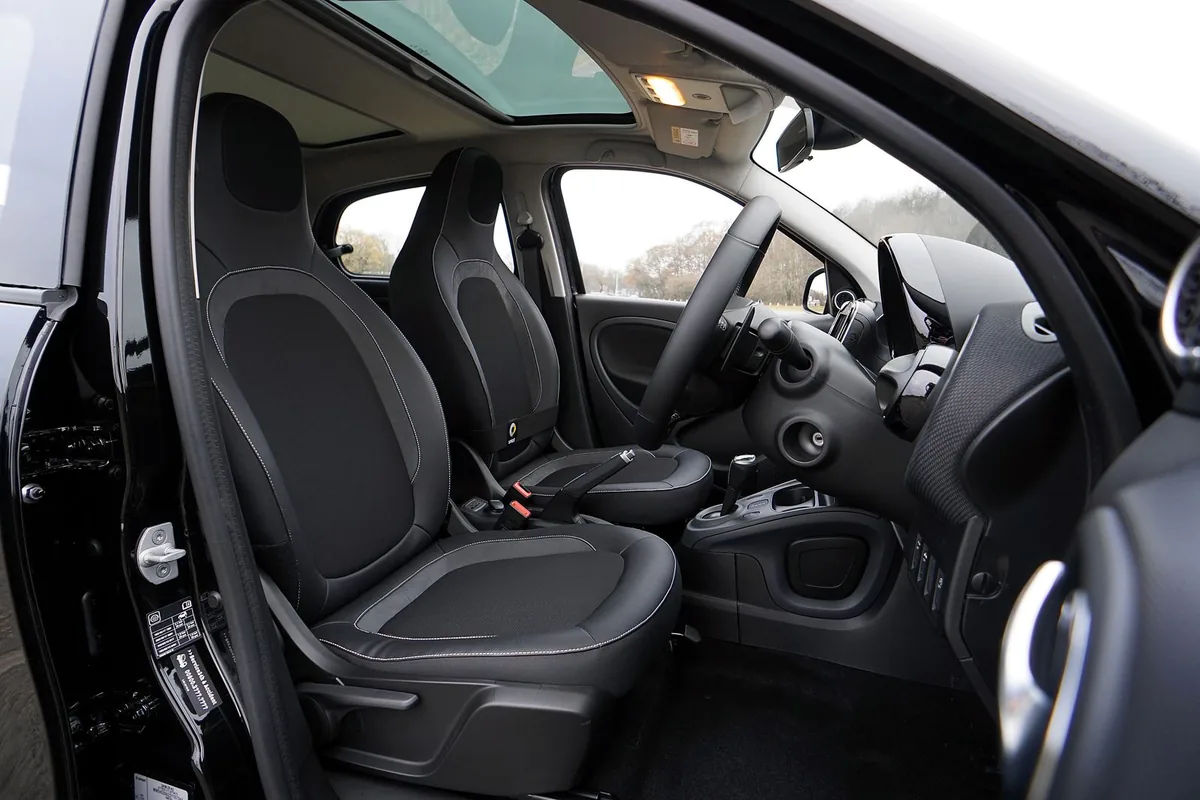
Biohazard vehicle cleaning covers more than cars. Pickup trucks, delivery vans, buses, taxis, rideshare vehicles and work trucks can all become contaminated, and each needs a safe cleaning plan.
Cleaners work quietly in St. Francis and treat your vehicle with discretion when you call St. Francis Biohazard Cleanup Help. The service covers private cars, work vehicles and fleets in Anoka County.
Even with milder July highs near 80 degrees in St. Francis, a parked car traps heat, so fluid odors can still build quickly. Vehicles that carried someone to Cambridge Medical Center in Cambridge often have blood or fluids on the seats, and cleanup can begin once everyone is safe.
The work often covers:
A technician looks over the vehicle and explains the plan, including what is likely to be removed.
Technicians wear full protective equipment and limit access to stop cross-contamination.
Contaminated materials come out first. The cabin is cleaned and disinfected, and odor is treated at its source.
Lingering smells are treated, the waste is hauled away, and a last inspection confirms the vehicle is ready.
Expect vehicle biohazard cleanup in St. Francis, MN to cost roughly $500 to $5,000, with the final price set after an on-site assessment.
What the fluid soaked into decides how much comes out. Seat foam, carpet and headliner that absorbed fluid usually have to be removed, which adds labor and parts.
| Type of job | Typical range |
|---|---|
| Vehicle biohazard cleanup | $500 - $5,000 |
Figures are planning ranges from BioCleaners Directory, not a price for any specific St. Francis property. Price drivers include type of interior materials, how serious the event was, time since the event, air system decontamination. Call (877) 812-4220 any hour.
Yes. Blood can carry bloodborne pathogens such as hepatitis B and HIV. Dried blood can still be hazardous, and enclosed cabins hold odor. That is why the area is cleaned with protection and disinfected.
People use both phrases. Most of the time they mean decontaminating a vehicle that holds blood or other body fluids. Chemical spills are a separate hazard, and a cleanup team can say whether it can handle a specific one.
A vehicle where a death occurred is cleaned only after law enforcement or the medical examiner releases it. The team removes contaminated materials, disinfects and treats odor, which can settle into seats, headliner and vents.
Many auto insurance policies cover some losses that are not collisions, and some policies exclude cleanup. Only your policy and your insurer can say. Call before cleanup starts, take photos and keep every receipt.
Cleaners follow rules designed to protect workers and the public from bloodborne pathogens, including the OSHA Bloodborne Pathogens Standard, 29 CFR 1910.1030. They wear PPE and use EPA-registered disinfectants.
A small spill on a hard surface can be cleaned with gloves, eye protection and an EPA-registered disinfectant. Do not do it with an open cut, and do not use the car until fluids that soaked into fabric are removed. For larger spills, call a cleanup team.
Calls are answered 24/7, and the job is planned on the call.
Call (877) 812-4220